Memes and symbols play a powerful role in shaping how people interpret the subjects and objects of their everyday lives by compressing complex ideas into instantly recognizable forms. Through repetition, humor, and emotional resonance, they influence what feels normal, meaningful, or worthy of attention, subtly guiding perception without requiring deep reflection. As these visual and cultural cues circulate, they can reframe ordinary experiences—turning objects into symbols of identity, irony, or value, and redefining social subjects through shared narratives. Over time, this constant exposure can alter perspectives, shaping attitudes and assumptions in ways that feel natural and self-evident rather than constructed.

Manufactured, impossible conspiracies function less as beliefs than as destabilizing tools: they overwhelm people with claims that cannot be disproven, eroding shared standards of evidence. As uncertainty spreads, trust fractures—first in institutions, then between individuals—because every disagreement is recast as hidden allegiance or betrayal. This atmosphere rewards suspicion over cooperation, turning communities inward and against themselves. The result is societal paranoia and infighting, not because the conspiracies are convincing, but because they make coherence itself feel unattainable.
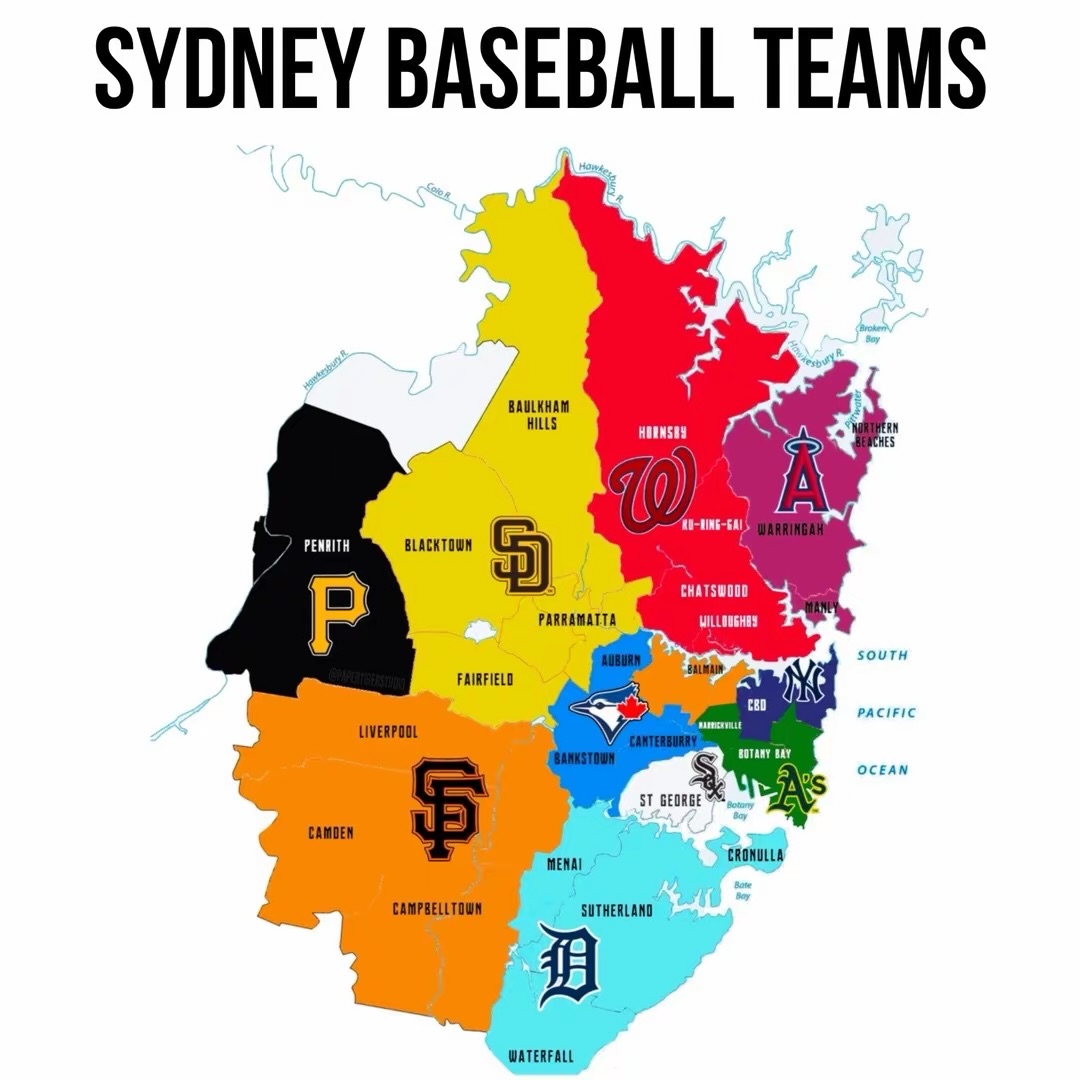
Memes that carve the world into opposing regions on a map operate as subtle engines of social secularism: they replace shared, overarching narratives with localized identities framed as inherently incompatible. By compressing complex cultures into visual binaries, these images encourage people to sort themselves into preference-based camps, reinforcing echo chambers where belonging is defined by geography rather than dialogue. Over time, this fragmentation dilutes any sense of collective grandiosity—the idea of a shared project or common horizon—reducing it to smaller, self-referential myths that circulate within insulated groups. What looks playful or ironic on the surface ultimately narrows imagination, trading expansive solidarity for neatly bounded difference.

Memes that emphasize cultural exclusivity can subtly promote forms of idealism that contribute to secularism by framing identity, values, and belonging as self-contained within a specific group rather than grounded in shared or transcendent sources of meaning. By repeatedly presenting insider references, norms, or experiences as inherently superior or self-evident, these memes encourage an idealized view of culture as complete and sufficient in itself. This can diminish the perceived need for religious or metaphysical frameworks that traditionally provide universal explanations, moral authority, or communal cohesion beyond cultural boundaries. Over time, the normalization of culture-as-ideal through exclusive memes can shift individuals toward a more secular outlook, where meaning and truth are derived primarily from human-made systems, social consensus, and personal identification rather than from religious traditions or spiritual narratives.
 PaperTigerStudioDesign